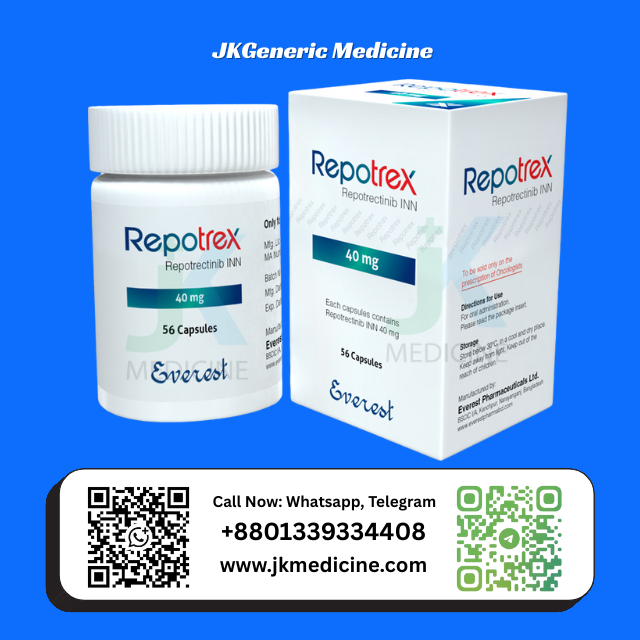
Repotrex 40 mg (Methotrexate)
Repotrex 40 mg is a potent formulation of Methotrexate, which is a common target antimetabolite and antifolate medication. It is primarily utilized in the treatment of various cancers, autoimmune diseases, and some severe inflammatory conditions. Being part of the disease-modifying antirheumatic drug (DMARD) group of medications, Repotrex functions by interfering with the development of certain cells, particularly those that grow quickly, such as cancer cells, bone marrow cells, and skin cells.
Composition and Strength
Every vial of Repotrex contains Methotrexate Sodium equivalent to 40 mg of Methotrexate. It is injectable and is meant for use by medical professionals only, in order to attain precise dosing and ideal therapeutic effects.
Mechanism of Action
Methotrexate inhibits the enzyme dihydrofolate reductase (DHFR), a key enzyme for DNA synthesis and cell division. By inhibiting this enzyme, Repotrex inhibits the growth of rapidly dividing cells. This makes it not only effective in preventing the growth of cancer but also in treating autoimmune diseases in which the immune system is destroying the body's own tissues.
Medical Uses
Oncology (Cancer Treatment):
Leukemias (e.g., acute lymphoblastic leukemia)
Lymphomas (e.g., non-Hodgkin's lymphoma)
Breast cancer
Lung cancer
Head and neck cancers
Choriocarcinoma and gestational trophoblastic neoplasia
Autoimmune Diseases
Rheumatoid Arthritis (RA): Reduces joint inflammation, pain, and damage.
Psoriasis: Treats severe, disabling forms of psoriasis unresponsive to topical treatment.
Systemic Lupus Erythematosus (SLE) and Vasculitis: In some instances, Repotrex is used off-label.
Ectopic Pregnancy
In carefully chosen non-ruptured cases, Methotrexate is used to dissolve tissue of ectopic pregnancy without surgery.
Dosage and Administration
Repotrex 40 mg is administered by intramuscular (IM), intravenous (IV), or intrathecal injection, as required by the condition to be treated. Dosage and frequency are very different based on the indication, patient condition, body surface area, and protocol being used. It must always be used under a qualified practitioner's supervision.
Side Effects
Like all potent medications, Repotrex can cause side effects. Some side effects commonly seen are:
Nausea and vomiting
Mouth ulcers
Fatigue
Hair thinning or loss
Loss of appetite
Elevation of liver enzymes
Serious side effects can occur and include:
Suppression of bone marrow
Liver toxicity
Lung damage (pneumonitis)
Kidney damage
Severe infections
Precautions and Monitoring
Patients on Repotrex require regular blood tests to monitor liver function, kidney function, and blood cell counts. Liver biopsies are recommended for chronic users. To minimize liver toxicity, consumption of alcohol should be avoided. Women in the childbearing years should have effective contraception during and after therapy since Methotrexate can lead to serious birth defects or abortion. Breastfeeding should also be stopped.
Drug Interactions
Methotrexate also interacts with certain drugs, including NSAIDs, penicillins, sulfonamides, and certain antibiotics, that increase toxicity. Folic acid supplements, which are usually co-prescribed, can reduce some of the side effects, especially in RA patients.
Storage and Handling
Repotrex should be stored in a cool, dry place, away from light. It is to be handled by trained personnel only, and disposal should be in accordance with institutional guidelines for hazardous drugs.
Conclusion
Repotrex 40 mg is a useful medication for individuals with life-threatening cancers and crippling autoimmune disorders. Its mechanism, although powerful, promises hope and improved results if properly utilized and intensively monitored. Due to its potential for inducing serious side effects, it should be used cautiously under strict medical supervision. With adherence to precautions and monitoring, Repotrex continues to be a staple therapy in oncology and rheumatology clinics worldwide.