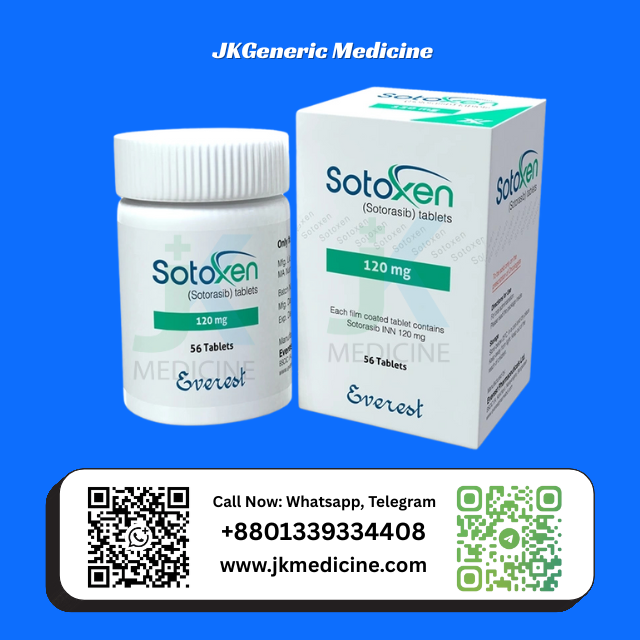
Sotoxen 120 Mg (Sotorasib)
Sotoxen 120 mg, active ingredient Sotorasib, is a new targeted cancer treatment for most patients with non-small cell lung cancer (NSCLC) that has specific genetic mutations. Sotorasib is a precision oncology innovation because it attacks tumors with the KRAS G12C mutation—a common driver mutation across many cancers and specifically lung adenocarcinoma.
Mechanism of Action
Sotorasib is a selective, irreversible small molecule inhibitor of the KRAS G12C mutant protein. KRAS is a protein that exists as part of cellular signaling pathways regulating cell growth and division. Mutations at the G12C position in the KRAS gene cause the protein to remain permanently active, leading to unchecked proliferation of cancer cells.
Compared to traditional chemotherapy that targets healthy and cancerous cells alike, Sotorasib selectively binds to the mutant KRAS G12C protein. By sequestering the protein in the inactive GDP-bound state, Sotorasib potently blocks the signal transduction pathways that trigger tumor growth and survival. This targeted inhibition triggers reduced viability of cancer cells along with tumor reduction.
Indications and Usage
Sotoxen 120 mg is indicated in the treatment of adult patients with locally advanced or metastatic non-small cell lung cancer (NSCLC) that have the KRAS G12C mutation. The medicine is particularly helpful in patients who received first systemic therapy, for example, chemotherapy or immunotherapy, and have limited options available as a result of resistance or progression.
The approval of Sotorasib is a major milestone since KRAS mutations had been considered to be "undruggable" targets due to their structure and mechanism at the molecular level. Sotoxen provides a targeted therapy for this patient population with a very dismal prognosis and few other effective choices available.
Dosage and Administration
The standard dose of Sotoxen is 120 mg taken orally once daily either with or without food. The oral tablet preparation facilitates easy outpatient administration, improving patient compliance and quality of life. It is essential for patients to adhere strictly to the prescribed dosage regimen and not discontinue or modify the drug without consulting their physician.
Dose adjustments can be performed based on individual tolerability and side effects. Patients must be closely monitored by medical professionals for adverse effects and their dose must be adjusted accordingly.
Clinical Efficacy
Clinical trials have demonstrated Sotoxen to possess significant efficacy in reducing tumor size and in improving progression-free survival in patients with KRAS G12C-mutated NSCLC. In major trials, a high rate of patients experienced partial or complete tumor responses with favorable safety profiles.
The potential of Sotorasib to penetrate tumors and maintain inhibition of the KRAS G12C mutation is the basis for its efficacy. It is a paradigm change toward personalized cancer treatment by aligning treatment with the genetic makeup of the tumor.
Safety and Side Effects
Sotoxen is generally well tolerated but may be accompanied by some side effects. Diarrhea, nausea, fatigue, musculoskeletal pain, and elevated liver enzymes are the most common side effects reported. The side effects are most commonly mild to moderate and can be controlled by supportive therapy or adjustment of dose.
Severe side effects are rare but may be hepatotoxicity and interstitial pneumonitis. Monitoring of liver function tests and clinical assessment for respiratory signs should be done routinely during therapy.
All unexplained symptoms should be promptly reported by the patient to their physician to allow timely management and to avoid complications.
Drug Interactions and Precautions
Sotorasib may interact with other drugs being metabolized by liver enzymes such as CYP3A4. It is important to inform the treating physician of all drugs consumed concomitantly, including supplements and over-the-counter drugs.
On the basis of limited data, Sotorasib use in pregnancy and lactation is poorly characterized. Women of childbearing potential should apply effective contraception during and after therapy.
Advantages of Sotoxen 120 mg
Targeted Therapy: Direct inhibition of KRAS G12C mutation, which lowers damage to normal cells.
Once-Daily Oral Dosing: Simple once-daily dosing improves compliance.
Clinical Benefits: Demonstrated tumor shrinkage and disease control in refractory NSCLC.
New Hope: Offers a therapy for patients with historically difficult-to-treat mutations.
Conclusion
Sotoxen 120 mg (Sotorasib) is a pioneering target therapy for KRAS G12C-mutated non-small cell lung cancer patients. It delivers improved clinical efficacy with an acceptable safety profile through selective inhibition of the mutated KRAS protein. With the general advancement in precision medicine, Sotoxen paves the way for introducing new hope and better quality of life for cancer patients suffering from end-stage lung cancer.