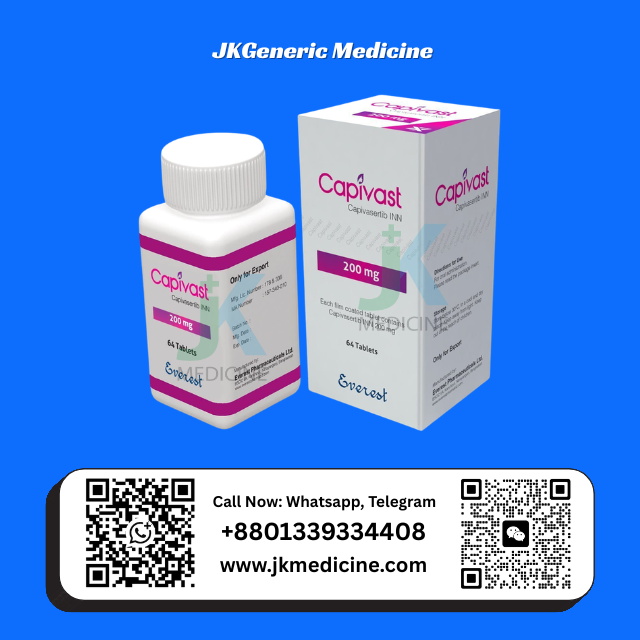
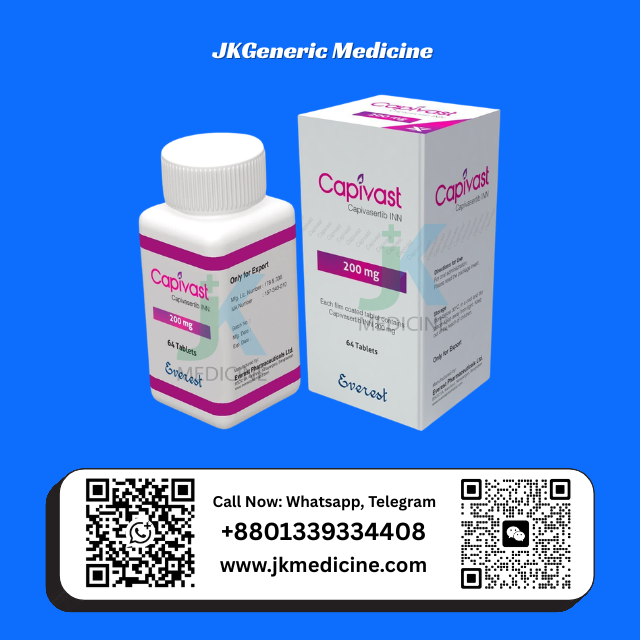
Capivast 200 MG (Capivasertib) Rx
Capivast 200 mg contains Capivasertib, a targeted anticancer medication used in the treatment of certain types of advanced or metastatic breast cancer. It belongs to a class of drugs known as AKT inhibitors, which act on a critical signaling pathway involved in cancer cell growth and survival. Capivasertib is typically prescribed for patients whose tumors show specific genetic alterations in the PI3K/AKT pathway, including mutations in PIK3CA, AKT1, or PTEN genes.
These alterations often drive cancer progression and resistance to hormonal therapies. By targeting this pathway, Capivast 200 mg helps slow tumor growth and improve clinical outcomes for patients with hormone receptor-positive (HR+), HER2-negative breast cancer that has progressed after prior treatments.
Mechanism of Action
Capivasertib works by inhibiting the activity of AKT (protein kinase B), a key enzyme in the PI3K/AKT/mTOR signaling pathway, which regulates cell growth, metabolism, and survival. In many cancers, this pathway becomes overactive due to genetic mutations, causing uncontrolled cell proliferation. Capivasertib binds to the ATP-binding site of AKT and blocks its activation, preventing downstream signaling that promotes tumor growth.
The drug targets all three isoforms of the AKT enzyme—AKT1, AKT2, and AKT3—making it a potent “pan-AKT inhibitor.” By shutting down AKT signaling, Capivasertib reduces cancer cell proliferation, promotes programmed cell death (apoptosis), and interferes with tumor metabolism and protein synthesis. This targeted approach helps limit the spread of cancer while sparing many normal cells compared with traditional chemotherapy.
Therapeutic Uses
Capivast 200 mg is primarily used in combination with hormonal therapy, particularly fulvestrant, to treat hormone receptor-positive, HER2-negative advanced or metastatic breast cancer. It is especially beneficial for patients whose disease has progressed after treatment with aromatase inhibitors or other endocrine therapies.
Clinical studies have demonstrated that combining Capivasertib with fulvestrant significantly improves progression-free survival compared with hormonal therapy alone. In large clinical trials, patients receiving the combination therapy experienced longer periods before the disease worsened, highlighting the drug’s effectiveness in overcoming endocrine resistance in advanced breast cancer.
Dosage and Administration
Capivast 200 mg tablets are taken orally, usually as part of a treatment regimen determined by an oncologist. Capivasertib is often administered using an intermittent dosing schedule, commonly taken for four consecutive days followed by three days off treatment each week. This schedule helps maintain drug effectiveness while minimizing side effects.
Patients should take the tablets exactly as prescribed, with or without food, and should not crush or chew them unless directed by a healthcare professional. Regular monitoring by healthcare providers is essential during treatment to assess response and manage potential side effects.
Benefits of Capivast 200 mg
Capivast 200 mg offers several advantages in the management of advanced breast cancer:
Targeted therapy: Specifically blocks the AKT signaling pathway responsible for tumor growth.
Improved progression-free survival: Clinical trials show significant delays in disease progression when combined with endocrine therapy.
Oral administration: Convenient tablet form allows outpatient treatment.
Precision medicine approach: Effective in patients with specific genetic mutations in the PI3K/AKT pathway.
These benefits make Capivasertib an important option for patients who have developed resistance to conventional hormonal treatments.
Possible Side Effects
Like most anticancer medications, Capivast 200 mg may cause side effects. The most commonly reported adverse effects include:
Diarrhea
Skin rash or cutaneous reactions
Nausea and vomiting
Fatigue
Hyperglycemia (increased blood sugar levels)
Severe side effects are less common but may require dose adjustment or temporary interruption of therapy. Healthcare providers may perform regular blood tests to monitor metabolic changes and organ function during treatment.
Precautions and Warnings
Before starting Capivast 200 mg, patients should inform their healthcare provider about any existing medical conditions, including diabetes, liver problems, or other chronic illnesses. Because the drug may affect blood glucose levels and liver enzymes, periodic laboratory monitoring is recommended. Additionally, Capivasertib should only be used under the supervision of a qualified oncologist due to its specialized indications and potential interactions with other medications.
Conclusion
Capivast 200 mg (Capivasertib) represents an innovative targeted therapy designed to block the AKT signaling pathway involved in cancer progression. By inhibiting a key driver of tumor growth, this medication provides a valuable treatment option for patients with hormone receptor-positive, HER2-negative advanced breast cancer, particularly those with specific genetic alterations. When used in combination with endocrine therapy, Capivasertib has demonstrated meaningful improvements in disease control, making it an important advancement in precision oncology.