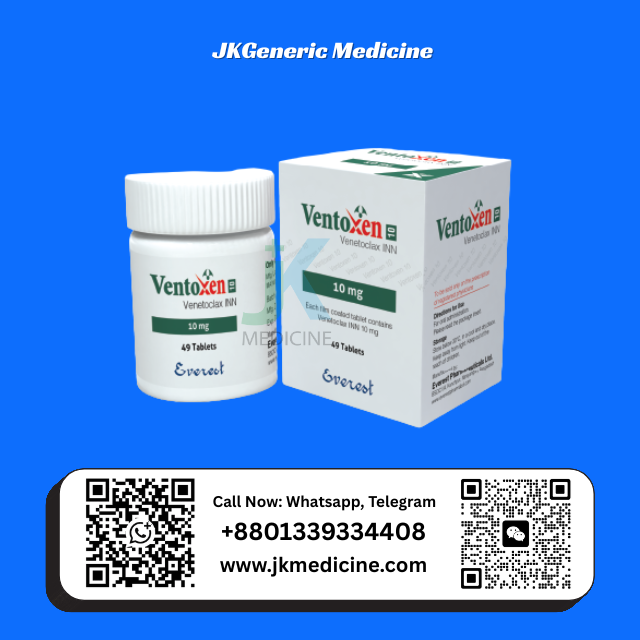
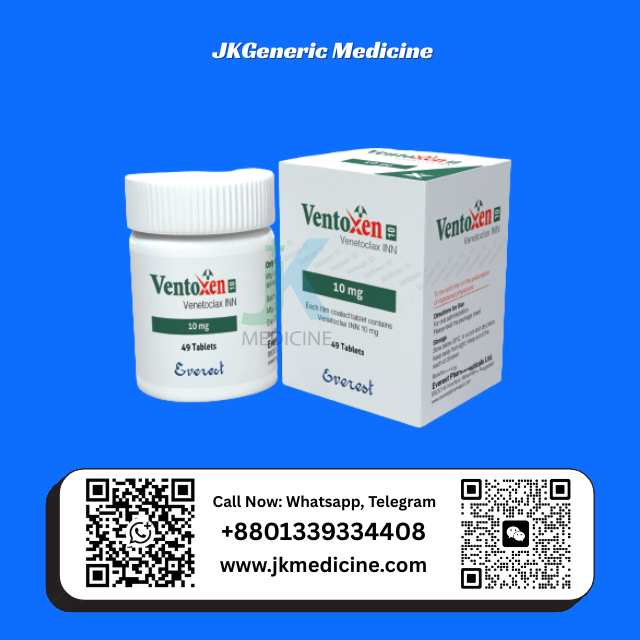
Ventoxen 10 Mg (Venetoclax) Tablets
Ventoxen 10 mg is an oral prescription medication containing venetoclax, a targeted cancer drug used mainly to treat certain blood cancers. It’s manufactured by Everest Pharmaceuticals Ltd. and belongs to a class of medicines called B-cell lymphoma-2 (BCL-2) inhibitors.
What is Ventoxen 10 mg (Venetoclax)?
Venetoclax is not traditional chemotherapy. Instead of broadly attacking rapidly dividing cells, it targets a specific protein called BCL-2 that cancer cells often use to survive. By blocking BCL-2, venetoclax helps restore the normal process of apoptosis — the programmed death of abnormal cells — leading to the elimination of cancerous cells. This targeted action makes it particularly useful for treating conditions where BCL-2 is overexpressed, such as leukemia and lymphoma.
Primary Uses and Clinical Applications
Ventoxen 10 mg is used for the treatment of adults with:
Chronic Lymphocytic Leukemia (CLL): Especially for patients who have already tried other treatments or have certain high-risk genetic markers (e.g., 17p deletion or TP53 mutation).Small Lymphocytic Lymphoma (SLL): A type of non-Hodgkin lymphoma closely related to CLL.
In some cases, venetoclax is also part of combination therapies for Acute Myeloid Leukemia (AML) in newly diagnosed adults who can’t tolerate intensive chemotherapy.
Because Ventoxen is a generic alternative to branded venetoclax (originally known as VENCLEXTA), it can be more affordable in regions where generics are permitted, such as Bangladesh.
How It Works: Mechanism of Action
Cancer cells often survive by overproducing the BCL-2 protein, which prevents apoptosis. Venetoclax selectively binds to BCL-2, blocking its function. This releases pro-apoptotic proteins and triggers mitochondrial changes that lead to cancer cell death. Because normal cells rely less on BCL-2, venetoclax tends to affect cancer cells more strongly than healthy ones.
This targeted mechanism helps reduce tumour burden — the total amount of cancer in the body — while sparing many normal cells. This often results in deeper remissions and improved responses in patients with specific blood cancers.
Dosage and Administration
Ventoxen 10 mg tablets are usually part of a dose-escalation plan that slowly increases the amount taken each week. This gradual increase helps reduce the risk of tumour lysis syndrome (TLS), a potentially serious side effect caused by rapid cancer cell destruction. The standard stepping schedule starts at lower doses and ends at a target daily dose (often up to 400 mg once daily), under a doctor’s supervision.
Patients take the tablet orally, typically once a day with food and water. The specific dosing plan depends on factors like cancer type, patient health, and other medications being used. Healthcare providers monitor blood counts and overall health regularly during treatment.
Safety, Precautions, and Monitoring
Because Ventoxen affects blood cell survival, patients require close medical monitoring:
Tumour Lysis Syndrome (TLS): Can occur when many cancer cells break down quickly after starting treatment. Careful hydration, laboratory monitoring, and gradual dose increases help lower the risk.
Blood Count Changes: Venetoclax can reduce white blood cells (neutrophils), red blood cells, or platelets. Regular blood tests help detect these changes so doctors can adjust the dose or take supportive measures.
Infections: Lowered immune function increases the risk of serious infections like pneumonia or sepsis. Patients must report signs of fever, chills, or infection quickly.
Drug Interactions: Venetoclax is affected by other drugs that change how the liver processes medications, especially those involving the CYP3A enzyme system. Some antibiotics and antifungals may require dosing changes or avoidance.
Contraception and Pregnancy: Women of childbearing potential should use effective contraception during and after treatment due to risks to the fetus.
Common Side Effects
Side effects can range from mild to serious. Common ones include:
Neutropenia (low white blood cell count)
Nausea and diarrhea
Upper respiratory infections
Fatigue and anemia
Less common but more serious effects include tumour lysis syndrome, severe infections, and very low blood counts that may require hospital care or additional treatment.
Storage and Handling
Ventoxen tablets should be stored in a cool, dry place below 30 °C (86 °F) and kept away from children. The packaging usually includes a desiccant to protect the tablets from moisture.
Conclusion
Ventoxen 10 mg (venetoclax) is a modern targeted therapy designed to treat specific blood cancers like CLL and SLL by blocking the BCL-2 protein that helps cancer cells survive. It offers an effective treatment pathway, especially for patients with limited options, but requires careful monitoring by a healthcare provider due to safety considerations like TLS and blood cell changes.