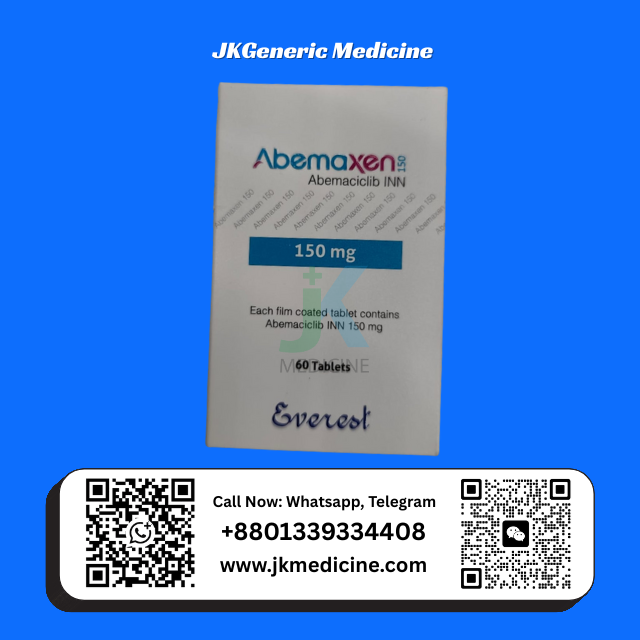
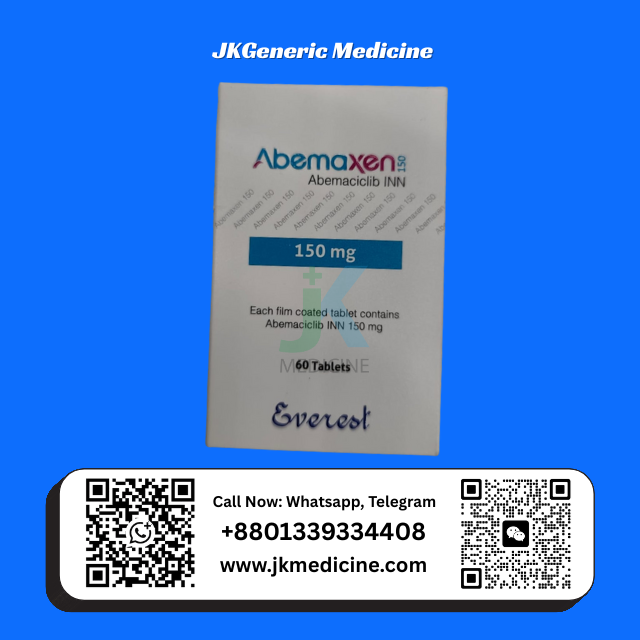
Abemaxen 150 (abemaciclib)
Abemaxen 150 is a prescription anticancer medicine that contains abemaciclib 150 mg, a targeted oral therapy belonging to the class of drugs known as cyclin-dependent kinase (CDK) 4 and 6 inhibitors. It is mainly used in the management of certain types of breast cancer and has become an important part of modern cancer treatment because of its ability to slow or stop the growth of cancer cells while being taken conveniently as tablets.
How Abemaxen 150 Works
Cancer cells divide uncontrollably because of abnormal signals inside the cell cycle. Two key proteins, CDK4 and CDK6, play a major role in pushing cells from the growth phase into the division phase. In many hormone-receptor-positive breast cancers, these proteins are overactive.
Abemaciclib blocks the activity of CDK4 and CDK6. By inhibiting these enzymes, Abemaxen 150 helps prevent cancer cells from multiplying. This action leads to cell cycle arrest and can reduce tumor growth, delay disease progression, and improve treatment outcomes when combined with other anticancer medicines.
Indications
Abemaxen 150 is primarily indicated for the treatment of:
Hormone receptor-positive (HR+), HER2-negative advanced or metastatic breast cancer
It is commonly used in combination with endocrine therapy such as aromatase inhibitors or fulvestrant.
In some cases, it may also be used as monotherapy when other treatments are no longer effective.
Always use this medicine strictly according to the oncologist’s prescription.
Dosage and Administration
Abemaxen 150 is taken orally in tablet form. The usual recommended dose is 150 mg twice daily, approximately 12 hours apart, with or without food. Tablets should be swallowed whole with water and should not be crushed, chewed, or broken.
If a dose is missed, the patient should skip the missed dose and take the next dose at the regular time. Extra doses should not be taken to make up for the missed one.
Side Effects
Like all anticancer medicines, Abemaxen 150 may cause side effects. Not all patients experience them, but common reactions include:
Diarrhea
Nausea or vomiting
Loss of appetite
Fatigue or weakness
Abdominal pain
Low white blood cell count (neutropenia)
Anemia
Hair thinning
Increased liver enzymes in blood tests
More serious side effects may include severe diarrhea, infections due to low immunity, blood clots, or liver problems. Regular blood tests and medical follow-ups are important during treatment.
Warnings and Precautions
Abemaxen 150 should only be taken under the supervision of a qualified oncologist.
Patients with liver problems, a history of blood clots, or low blood cell counts should inform their doctor before starting therapy.
Pregnant or breastfeeding women should not use this medicine, as it may harm the unborn baby or infant.
Effective contraception is recommended during treatment and for some time after the last dose.
Drug Interactions
Abemaciclib can interact with other medicines, including certain antibiotics, antifungals, antivirals, and herbal products. These interactions may affect how Abemaxen 150 works or increase side effects. Patients should always inform their doctor about all medicines and supplements they are taking.
Storage
Store Abemaxen 150 at room temperature, away from heat, moisture, and direct sunlight. Keep out of reach of children.
Conclusion
Abemaxen 150 (Abemaciclib 150 mg) represents a significant advancement in targeted cancer therapy, particularly for patients with hormone-receptor-positive, HER2-negative breast cancer. Specifically blocking CDK4 and CDK6 helps slow cancer progression and improves the effectiveness of hormonal treatments. When used correctly under medical guidance, Abemaxen 150 offers hope for better disease control and improved quality of life for many patients.