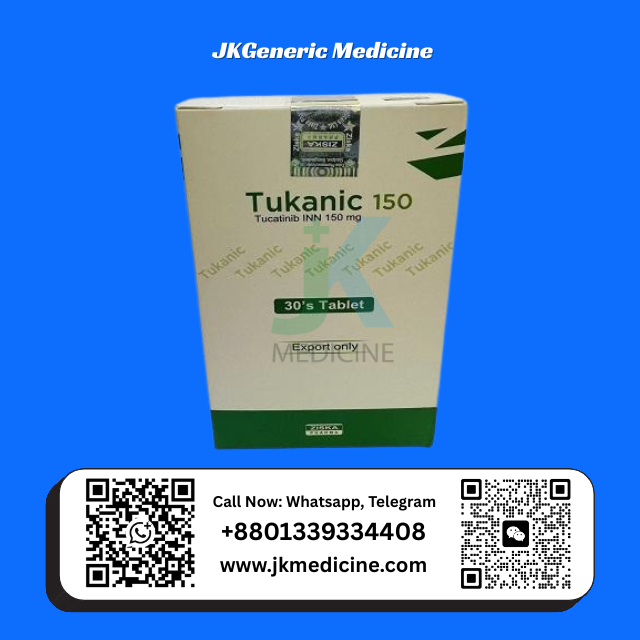
Tukanic 150 Mg (Tucatinib)
Tukanic 150 mg contains Tucatinib, which is an oral drug generally employed for the treatment of HER2-positive bone cancer. Tucatinib is a potent and picky asset of the HER2 protein, a cell face receptor set up on some cancer cells that results in cell proliferation. HER2 overexpression is associated with aggressive excrescence growth and poor prognostic. Tukanic is particularly helpful when employed for the remedy of metastatic HER2-positive bone cancer, indeed if the complaint has progressed to the brain.
Mechanism of Action
Tucatinib widely blocks the mortal epidermal growth factor receptor 2( HER2). HER2 is a tyrosine kinase receptor that plays a part in cell survival and growth. The receptor is overexpressed in HER2-positive excrescences and leads to overgrowth of cells.
In discrepancy to some other HER2 impediments, Tucatinib is largely picky and widely inhibits HER2 with minimum exertion on other receptors like EGFR( epidermal growth factor receptor). This selectivity reduces the threat of common EGFR- associated side effects like rash and diarrhea. Through inhibition of HER2 signaling, Tucatinib stops or slows cancer cell proliferation.
Indications
Tukanic 150 mg is used in combination with other treatment:
Advanced or metastatic HER2-positive bone cancer, following failure of one or further previous HER2- targeted treatments.
Cases with brain metastases, for whom the medicine has shown penetration of the blood- brain hedge and substantiation of clinical exertion.
It's generally given together with trastuzumab( a monoclonal antibody) and capecitabine( an oral anticancer agent), representing a largely effective combination treatment for resistant subtypes of HER2-positive bone cancer.
Dosage and Administration
The recommended dose for Tukanic is 150 mg, doubly daily roughly 12 hours piecemeal, with or without food. The tablets must be taken whole but not crushed or masticated.
Tucatinib is generally continued until complaint progression or inferior toxin. Cure adaptations are sometimes necessary according to case forbearance and side effects. Routine monitoring of liver function and overall health is recommended during treatment.
Side Effects
Like most cancer medicines, Tucatinib may be accompanied by side effects. The most frequent adverse responses are
Diarrhea
Fatigue
Hand- bottom pattern( in combination with capecitabine)
Nausea and puking
Elevated liver enzymes( ALT, AST)
Anemia
Sometimes, the case may have
Hepatotoxicity
Severe diarrhea leading to dehumidification
Palmar- plantar erythrodysesthesia
Regular laboratory monitoring, hydration, and probative treatment should be done to manage these side effects.
Contraindications and Precautions
Tukanic 150 mg must be given cautiously in cases with
Bloodied liver – Lozenge revision may be demanded.
Severe diarrhea or dehumidification
Attendant treatment with CYP3A4 corrupters or impediments – Tucatinib is metabolized by the CYP3A4 enzyme, and attendant treatment with other medicines may affect its attention in blood.
Gestation and breastfeeding – Tucatinib is poisonous to a fetus or lactating child and must be avoided in gestation and breastfeeding.
An effective form of contraception must be used throughout remedy and at least 1 week after the last dose of the medicine.
Drug Interactions
Tucatinib will also interact with medicines that affect liver enzymes, similar as CYP3A4. medicines like ketoconazole, rifampin, phenytoin, and certain anticonvulsants can potentially alter Tucatinib's metabolism. These relations can reduce the effectiveness of Tucatinib or increase its side effects.
The case must inform the healthcare provider of all drug, including untoward drug and supplements, before starting remedy.
Clinical Efficacy
Clinical trials similar as the HER2CLIMB trial have established that Tucatinib added to trastuzumab and capecitabine prolongs significantly progression-free survival and overall survival in cases with metastatic bone cancer with HER2-positive, including those with brain metastases. The trial showed a median progression-free survival of 7.8 months with the Tucatinib combination versus 5.6 months for placebo.
This data supports Tucatinib's single suggestion in advanced HER2-positive bone cancer, offering stopgap to cases who have exhausted other HER2- targeted curatives.
Storage and Handling
Store Tukanic 150 mg tablets between 15 °C to 30 °C.
Store in original pack to cover from humidity.
Keep out of reach of children and creatures.
Conclusion
Tukanic 150 mg (Tucatinib) represents the rearmost significant advancement in HER2-positive bone cancer treatment, especially for cases with metastatic complaint or brain metastasis. Its particularity, the capability to access the blood- brain hedge, and effects safety profile make it an asset in the oncologist's magazine. Together with other medicines, Tucatinib improves survival and quality of life in cases facing one of the most grueling forms of bone cancer.